
Why the Passing of the Employment Rights Bill is a Christmas Gift for Working Brits
Everyone who sets their alarm clock for work in morning should read why the Employment Rights Act calls for festive celebrations all around!

It is fair to say the Labour government has faced a challenging start since taking office in July 2024. Over the past 18 months, Office for Budget Responsibility growth forecasts have been downgraded, unemployment has risen, and political debate has been dominated by issues such as migration. Yet the Budget on 26 November 2025 signalled a clearer direction, with Labour delivering a fiscally responsible package that reassured financial markets without undermining business confidence.
Against this backdrop, the passing of the Employment Rights Bill stands out as a defining moment for Kier Starmer's government, shifting away from years of insecure work and towards a model that treats worker health, stability and spending power as a central method to boost productivity, building a more resilient economy in the process.
A Better Deal For British Grafters!
Sent to King Charles for Royal Assent to become law on 18th December, the Employment Rights Act 2025 ushers in a series of monumental reforms that, at its heart, seeks to address the precariousness of work that became the norm over the last 15 years. Government impact assessments estimate that around 178,000 workers are affected by fire-and-rehire practices, meaning employers sack employees, only to hire them again under worse pay and conditions. This practice is now illegal.
Alongside this, the legislation tackles the instability of zero-hours contracts by requiring employers to offer guaranteed hours to workers with regular patterns, and brings forward access to unfair dismissal protections so people are no longer left exposed in the early months of employment. The Bill, spearheaded by Angela Rayner, also ensures that workers are protected from day one when life happens, whether through parental leave, bereavement leave, or unpaid parental leave, without facing repercussions from employers. This recognises that job security, dignity and family life are inseparable from a fair and functioning economy.
In fact, empirical evidence shows that strengthening workers’ rights is widely seen as improving productivity, retention and employee health, a benefit for both business and workers. Polling by the Institute for Public Policy Research found that 73% of employers believe strengthened employment rights will boost productivity, supported by economic research done by the Trade Union Congress, which shows that labour market protections have consistently improved workplace productivity in the private sector.
To ensure these new changes are being administered, workers are also set to receive greater access to Trade Unions should they feel so inclined. New access and recognition rights will help unions support employees on the ground, and protections against detrimental treatment for taking industrial action will improve workers’ ability to organise when necessary without unfair employer repercussions. The establishment of a Fair Work Agency will further support employers and workers in applying these new rights fairly.
Of course, the Bill has been adjusted during parliamentary scrutiny. After criticism in the House of Lords, Labour agreed to a six‑month qualifying period for unfair dismissal protections, rather than immediate day‑one protection, to balance concerns about hiring flexibility amid rising unemployment. The bill is also set to be introduced in phases to give businesses time to make the required adjustments. While this was a compromise, many argue it still represents a significant advance in workers’ security.
Of course, the usual suspects aren't happy...
Despite the overwhelmingly positive direction of these reforms, the Bill has received a soundbite driven pushback from the Conservative leader Kemi Badenoch, who has claimed Sir Keir Starmer’s Labour government are “bought and paid for by trade unions” and therefore lack a "backbone" in standing up to them. This framing misses the point entirely. Not only does she miss the point of the Employment Rights Bill, but she actively misrepresents the entire Labour movement itself. Labour was founded by and for working people, emerging from the trade union movement at a time when millions had little voice at work or in Parliament. Its purpose was to give ordinary workers a say and to turn fairness at work into law; this bill is simply a continuation of that commitment.
This hostility to workers’ rights is, unfortunately, nothing new. Conservative governments have long framed organised labour as a problem to be managed rather than a partner in economic success, a mindset that dates back to Margaret Thatcher’s description of trade unions as “the enemy within.” Since then, successive Conservative administrations have presided over rising inequality (Source: LSE) and a prolonged period of real-terms wage stagnation, with pay barely growing for ordinary workers since the financial crash, even as profits in many sectors have surged. The result has been an economy where insecurity has become normalised, bargaining power has tilted sharply away from workers, and growth has failed to translate into rising living standards for the people who create it.
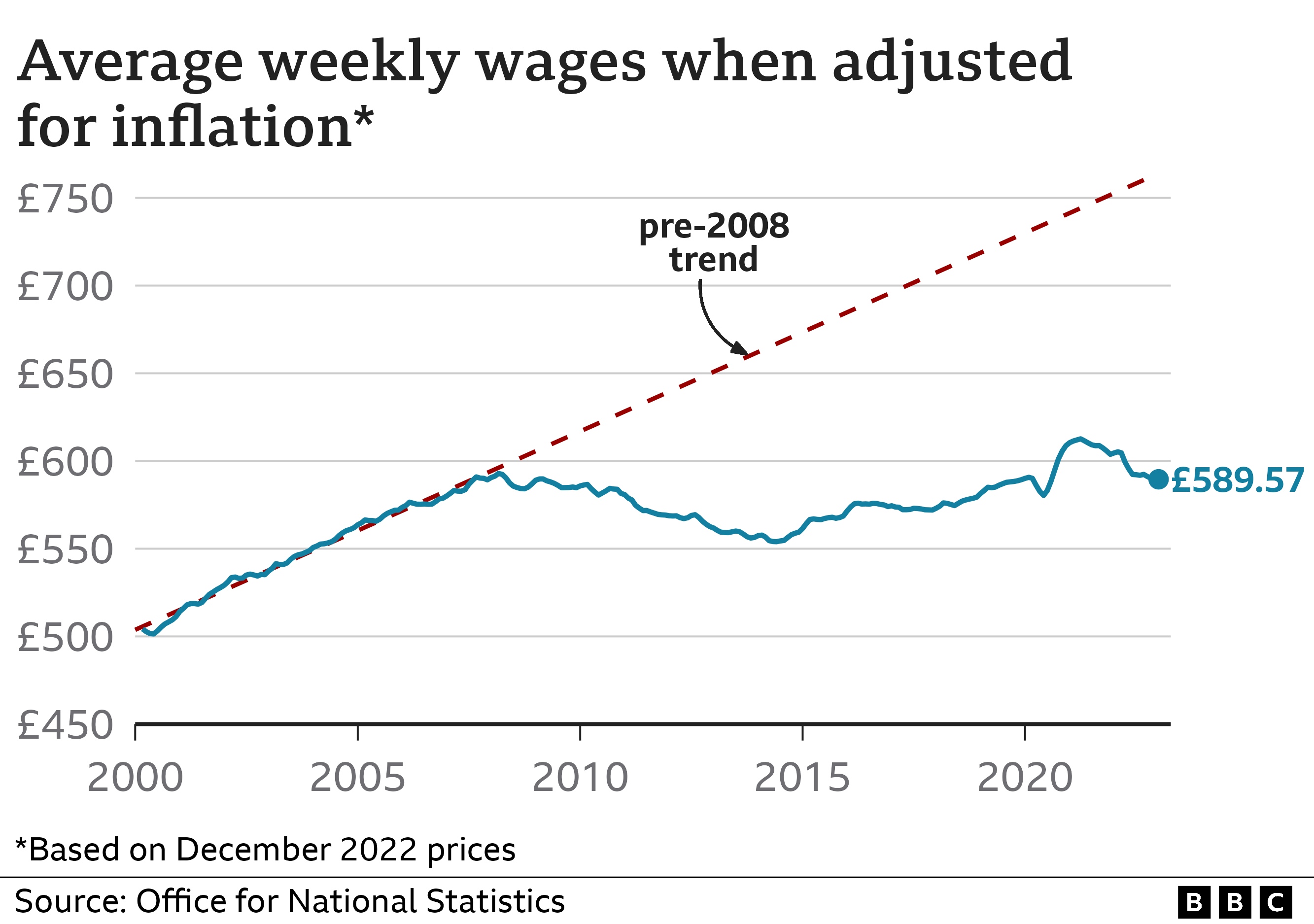
But let’s be clear: unless you’re a Turkey voting for Christmas, swayed by years of client‑driven media narratives encouraging workers to turn against one another in the name of individualism, this Bill is a leap in the right direction for those who set their alarm clocks every morning. Yes, Labour have much ground to make up in the polls by tackling wealth inequality, but the Employment Rights Act is a transformative upgrade in rights that restores Labour’s integrity as the party of hard work, merit, and everyday people. the 'Labour' Party.
 Jacob Barclay-Evans
My political journey has been eventful to say the least. Read more!